
Blog / Article
Why Is My Air Conditioner Leaking Water? A Simple Guide
Published July 6, 2026
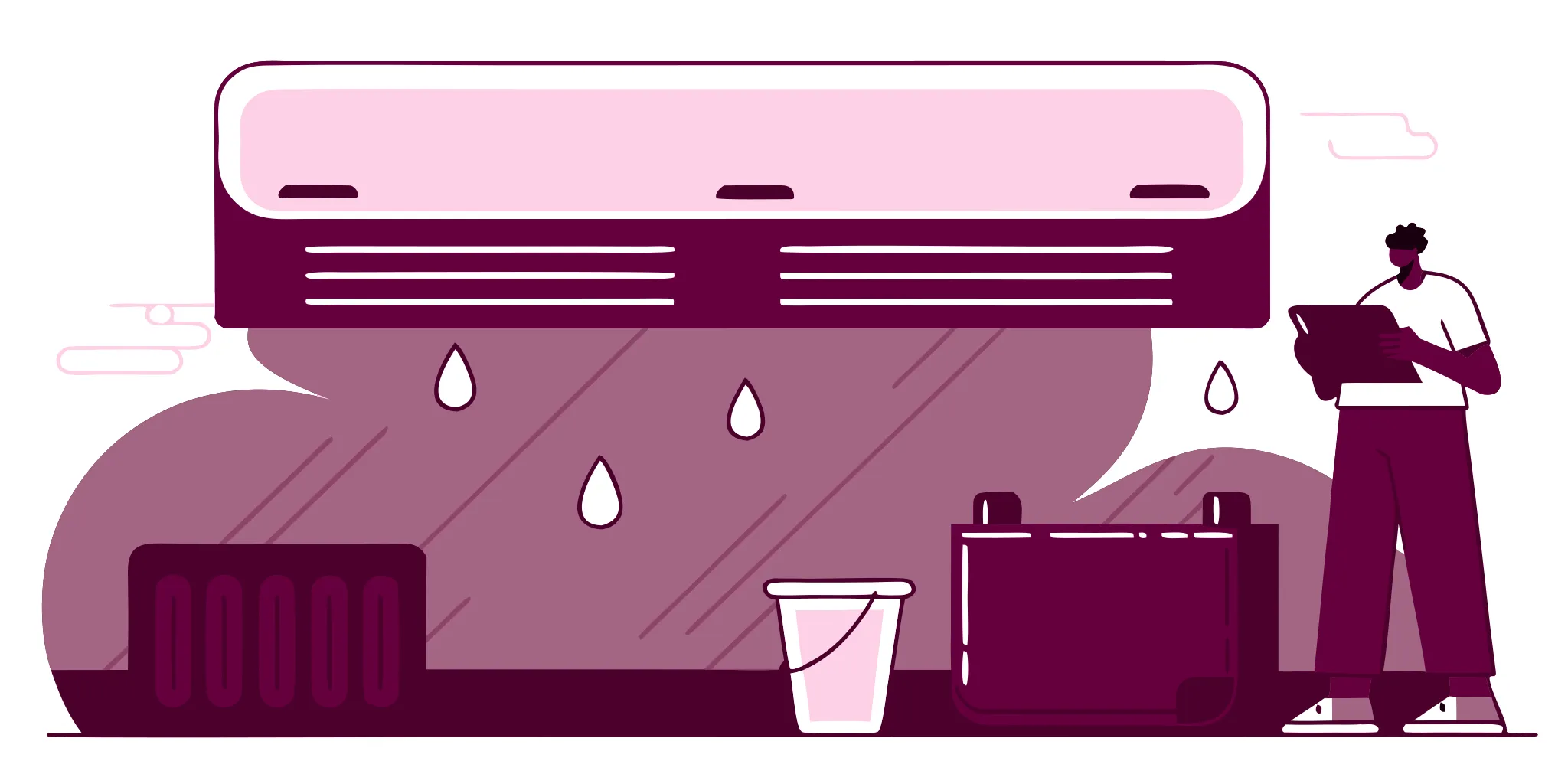
It’s not always a puddle on the floor. Sometimes, the first sign of a leaking AC is more subtle: a musty smell that won’t go away, water stains appearing on your ceiling, or a home that feels humid even when the thermostat is set low. These are the early warning signs that your system’s drainage is failing. Ignoring them can lead to significant water damage and mold growth. Understanding why is my air conditioner leaking water is about connecting these symptoms to their root cause. Whether it's ice forming on the coils or your unit shutting off unexpectedly, these clues are your system’s way of telling you something is wrong. We’ll help you interpret these signs so you can address the leak before it becomes a disaster.
Key Takeaways
- Your AC's drainage system is the usual suspect: Most leaks happen when something disrupts the flow of condensation, like a clogged drain line, a dirty filter causing frozen coils, or a damaged drain pan.
- You can safely troubleshoot the most common causes: After turning off the power, check for a dirty air filter and a clogged condensate drain line; addressing these two simple things often stops the leak without needing a service call.
- Some problems require professional help: If the leak doesn't stop, the coils keep freezing, or you notice signs of a refrigerant issue like hissing sounds, it's time to call a technician to prevent serious damage.
Why Is My Air Conditioner Leaking Water?
Finding a puddle of water near your air conditioner is never a welcome sight, especially in the middle of a South Florida summer. While it’s alarming, it’s a fairly common issue with several potential causes. Your AC unit works by pulling heat and humidity out of the air, and this process naturally creates condensation. A properly functioning system is designed to collect this water in a drain pan and safely guide it away through a condensate drain line. When you see a leak, it’s a clear sign that something is disrupting this process.
The problem could be as simple as a clogged pipe or as complex as a refrigerant issue. Common culprits include a blocked condensate drain line, frozen evaporator coils, a dirty air filter, or even a cracked drain pan. Understanding what causes these leaks is the first step toward fixing the problem and preventing future water damage. While some fixes are simple enough to handle yourself, others require professional help. If you're ever unsure, it's always best to call for an expert leak detection service to diagnose the issue correctly and protect your home.
A Clogged Condensate Drain Line
This is one of the most frequent reasons for an AC leak. Your system has a small pipe, called a condensate drain line, that carries water from the indoor unit to the outside. Over time, this line can get clogged with dirt, dust, mold, and algae. When a blockage forms, the water has nowhere to go, so it backs up and overflows the drain pan, spilling onto your floor or into your ceiling. In a humid climate like ours, this is a prime spot for gunk to build up. Regular maintenance can help keep this line clear, but if you already have a clog, it needs to be professionally flushed. Our team offers expert drain services to clear even the most stubborn blockages and restore proper drainage.
Frozen Evaporator Coils
If you notice ice building up on your AC's indoor unit, you've likely found the source of your leak. The evaporator coils are responsible for absorbing heat from your home's air. When they get too cold, the condensation on them can freeze into a solid block of ice. This is often caused by poor airflow from a dirty filter or low refrigerant levels. When your AC cycles off or the room warms up, that ice will melt. The problem is that it often melts too quickly for the drain pan to handle, causing a sudden overflow of water that results in a significant leak.
A Dirty Air Filter
It might seem small, but a dirty air filter is a major cause of AC problems, including leaks. Your system needs a steady flow of air to work correctly. When the filter is clogged with dust and debris, it restricts that airflow. This makes the evaporator coils get too cold and freeze over, just as we discussed. Once the ice melts, the excess water overflows the drain pan. The good news is that this is an easy fix. Checking and changing your air filter regularly (usually every 1-3 months) is one of the simplest and most effective ways to keep your AC running smoothly and prevent leaks.
Low Refrigerant Levels
Refrigerant is the chemical that circulates through your AC system to cool the air. When the level is low, it usually means there's a leak somewhere in the lines. Low refrigerant changes the pressure inside the system, causing the evaporator coils to get excessively cold and freeze. Just like with a dirty filter, this ice eventually melts and overflows the drain pan. Unlike changing a filter, handling refrigerant is not a DIY job. It's a hazardous material, and federal law requires a certified technician to handle it. If you suspect a refrigerant leak, it's crucial to call a professional to find and fix the leak before refilling the system.
A Damaged or Rusted Drain Pan
The drain pan sits directly underneath your indoor unit's evaporator coils to catch condensation. If your AC system is older, this pan can wear out. Metal pans can rust through, and plastic pans can crack over time, allowing water to drip out. If you have a secondary drain pan, it might catch the leak for a while, but eventually, you'll see signs of water. Inspecting the pan for visible damage, rust spots, or cracks can help you determine if this is your problem. Replacing a damaged drain pan is a job best left to a professional to ensure it's installed correctly and won't cause future issues.
Faulty Installation or High Humidity
Sometimes, the problem isn't a broken part but the way the system was installed. If the AC unit or the drain pan isn't perfectly level, water can pool on one side and spill over instead of flowing into the drain line. This is a subtle issue that can cause persistent leaks. Additionally, on extremely humid days, your AC might produce more condensation than usual. If your system isn't sized correctly for your home, it may struggle to remove the excess moisture, leading to an overflow. An HVAC professional can assess your system's installation and performance to see if either of these issues is the cause.
Telltale Signs of a Leaking AC Unit
Noticing an AC leak early can save you from a world of headaches, from structural damage to mold growth. While a puddle of water is a dead giveaway, some signs are more subtle. If you suspect your air conditioner is leaking, keep an eye out for these common red flags. Catching them quickly is the first step to getting your system back in working order and protecting your home.
Puddles Around Your Indoor Unit
This is often the first and most obvious sign that something is wrong. If you see water pooling around your indoor air handler, your AC is definitely leaking. These leaks typically happen while the unit is running. The most common culprit is a clogged condensate drain line, which is supposed to carry moisture safely outside. When it gets blocked with dirt, algae, or other gunk, the water has nowhere to go but back into your home. If you spot a puddle, it's a clear signal to investigate the drain line before the problem gets worse.
Water Stains on Ceilings or Walls
Water stains are a sign you can't afford to ignore. If your air handler is in the attic or a closet, a leak might not create a puddle on the floor. Instead, you might notice discoloration, bubbling paint, or damp spots on the ceiling or walls nearby. Using an AC that's leaking can cause significant water damage to your home's structure, ruin drywall, and create the perfect environment for mold to grow. These stains indicate the leak has been happening for a while, so it's important to address the source of the water immediately to prevent further issues.
Your Home Feels Extra Humid
Part of your air conditioner's job is to remove humidity from the air, making your home feel cool and comfortable. If you notice your house feels sticky or muggy even when the AC is running, it could be a sign of a problem. During Florida's very humid weather, your AC produces a lot more condensation. If the system is struggling to drain this excess water due to a clog or another issue, it can't effectively dehumidify your home. This lingering humidity is a subtle clue that your AC’s drainage system isn't keeping up and may need attention.
Ice Forming on the Coils
It might seem strange, but ice on your AC unit is a classic sign of a problem that leads to water leaks. This usually happens when something restricts airflow over the evaporator coils, like a dirty air filter. When airflow is blocked, the coils can get too cold and freeze over. Later, as the ice melts, the water can overwhelm your drain pan and spill out, causing a leak. If you see ice, it’s a definite sign that your system isn’t running efficiently. You'll need to find the cause of the poor airflow to stop the cycle of freezing and melting.
The System Shuts Off Unexpectedly
If your AC system suddenly shuts down on its own, it might be protecting itself from a bigger problem. Many modern units have a safety feature, called a float switch, that turns the system off if it detects too much water in the drain pan. This prevents a major flood inside your home. Running a leaking AC can make the problem worse and cause more damage, so this shutdown is a blessing in disguise. If your system turns off and you also notice other signs of a leak, it's a strong indicator that you need to find and fix the source of the water.
How to Fix a Leaking AC: A Step-by-Step Guide
Finding a puddle of water under your air conditioner can be alarming, but don't panic. Many common causes of AC leaks can be fixed with a little troubleshooting, saving you the stress and cost of an immediate service call. Before you pick up the phone, walking through these steps can help you identify and possibly solve the problem on your own. This guide will take you through the process, one step at a time, to help you get your system back in working order and restore your peace of mind.
Remember, safety comes first. Always turn off the power to your AC unit at the circuit breaker before you start inspecting or cleaning any components. While many fixes are simple, some issues are best left to the experts. If you work through these steps and the leak continues, or if you uncover a more serious problem like a refrigerant leak, it’s time to call for professional help. A persistent water leak can lead to significant structural damage and mold growth, so it's important to address it quickly. Our team is always ready to provide expert leak detection services to pinpoint the source of the problem and protect your home.
Step 1: Turn Off the Power
Before you do anything else, your first move should always be to shut off the power to your air conditioning system. You can do this at your home’s breaker box. This is a critical safety measure that protects you from electrical shock while you work. Turning off the power also stops the AC from running, which prevents it from producing more condensation and making the leak worse. Once the power is off, you can safely proceed with the next steps to figure out what’s causing the leak and prevent any further water damage to your floors, walls, or ceilings.
Step 2: Check and Change the Air Filter
One of the most common culprits behind a leaking AC is a dirty air filter. When the filter gets clogged with dust and debris, it restricts airflow over the evaporator coils. This lack of warm air causes the coils to get too cold and freeze over. When the ice eventually melts, the excess water can overwhelm the drain pan and spill out. Check your filter, which is usually located near the indoor air handler. If it looks gray and clogged, replace it with a new one. This simple and inexpensive fix can often solve the problem right away.
Step 3: Clear the Condensate Drain Line
Your AC’s condensate drain line is responsible for carrying moisture away from the unit. Over time, this line can become clogged with algae, mold, and sludge, causing water to back up and leak into your home. You can often clear a minor clog yourself using a wet/dry vacuum. Simply attach the vacuum’s hose to the end of the drain line outside your home to suck out the blockage. To prevent future clogs, you can pour a cup of distilled white vinegar down the line every few months. If the clog is stubborn or you’re not comfortable doing this, our professional drain services can get your line cleared out quickly and safely.
Step 4: Inspect and Empty the Drain Pan
The drain pan sits directly underneath your indoor air handler to catch condensation from the evaporator coils. If your AC is leaking, the pan might be the problem. First, carefully check it for any standing water and use a towel or a small cup to remove it. Once it’s empty, inspect the pan for any cracks, holes, or rust spots. Over time, a metal drain pan can corrode, and a plastic one can become brittle and crack. If you find any damage, the pan will need to be replaced to prevent future leaks.
Step 5: Let Frozen Coils Thaw Completely
If you noticed ice on your evaporator coils after changing the filter, you need to give it time to melt completely before turning your AC back on. Make sure the power to the unit is off, but you can turn on the fan at your thermostat to help circulate air and speed up the thawing process. This can take several hours, so be patient. Trying to chip or scrape the ice off can easily damage the delicate aluminum fins and lead to a much more expensive repair. Once the coils are completely free of ice and dry, you can turn the power back on.
Step 6: Test the Condensate Pump
Some AC systems, especially those installed in basements or attics, use a condensate pump to move water to the drain line. This small box near your indoor unit collects water and pumps it out once it reaches a certain level. If the pump fails, the water will overflow. You can test it by carefully pouring a small amount of water into the pump’s reservoir. This should trigger the float switch and activate the pump. If it doesn’t turn on, the pump may be broken, clogged, or not receiving power. Check to make sure it’s plugged in, but if it still won’t run, it likely needs to be replaced.
Simple Ways to Prevent Future AC Leaks
After you’ve dealt with a leak, the last thing you want is a repeat performance. The good news is that a little proactive maintenance can go a long way in keeping your AC unit running smoothly and your floors dry. These simple habits don't take much time, but they can save you from the headache and expense of water damage and emergency repairs. Think of it as a small investment in your home's health and your own peace of mind. Here are a few key tasks to add to your home maintenance routine to prevent future leaks.
Change Your Air Filter Regularly
This is one of the easiest and most effective habits you can adopt. A dirty air filter restricts airflow to the evaporator coil. When the coil doesn't get enough warm air passing over it, it can get too cold and freeze over. As that ice melts, the water can easily overwhelm your drain pan and spill out, creating a leak. Check your filter once a month and plan to replace it every 1 to 3 months. If you have pets or live in a dusty area, you’ll likely need to change it more often. A clean filter not only helps prevent your AC from leaking but also improves your home's air quality.
Flush the Drain Line Annually
Your condensate drain line is the perfect environment for algae and mold to grow, especially in Florida's humid climate. Over time, this buildup can create a stubborn clog, causing water to back up and overflow from the drain pan. To prevent this, you can flush the line yourself. Carefully pour about a cup of distilled white vinegar into the condensate line access point near your indoor unit every few months. This helps kill any gunk before it becomes a major blockage. If you’re dealing with a persistent clog, professional drain services can clear the line completely and ensure water flows freely away from your home.
Keep Your Outdoor Unit Clear of Debris
Your AC system has both an indoor and an outdoor component, and both need attention. The outdoor unit, or condenser, uses a fan to pull in air and release heat from your home. If this unit is surrounded by leaves, grass clippings, or overgrown shrubs, it can't breathe properly. This lack of airflow forces the entire system to work harder, which can lead to a variety of problems, including potential leaks. Make it a habit to walk around your outdoor unit and clear away any debris. A good rule of thumb is to maintain at least two feet of clear space on all sides.
Monitor Your Home's Humidity
Living in South Florida means dealing with intense humidity, which puts extra strain on your air conditioner. Your AC's job is not only to cool the air but also to dehumidify it. On extremely humid days, your system might struggle to remove all the excess moisture from the air. This can lead to more condensation than the system is designed to handle, resulting in an overflowing drain pan. If you notice your home feels damp even with the AC running, consider using a standalone dehumidifier to help lighten the load on your air conditioning unit.
Install a Safety Float Switch
A safety float switch is a small, inexpensive device that can save you from thousands of dollars in water damage. This switch is installed in your condensate drain pan or drain line. If the water level rises too high because of a clog or other issue, the float lifts and automatically shuts off your AC unit. This stops the system from producing more condensation and prevents a catastrophic overflow. Think of it as an insurance policy for your AC system. A qualified HVAC technician can easily install a safety float switch for you, providing an essential layer of protection.
Schedule Professional Tune-Ups
While these DIY tips are incredibly helpful, nothing replaces the expertise of a professional. An annual tune-up from a qualified HVAC technician is the best way to catch potential problems before they turn into major leaks. During an inspection, a technician will thoroughly clean the coils, check refrigerant levels, test electrical components, and ensure the condensate drain is completely clear. They can spot worn-out parts or subtle issues you might miss. Scheduling a professional inspection every year is a smart investment that keeps your system running efficiently and reliably.
When Is It Time to Call a Professional?
Trying to fix things yourself is a great way to save money and learn more about your home. But there are times when a DIY approach just won’t cut it. When it comes to a leaking AC, knowing your limits can save you from turning a small puddle into a major headache with costly repairs. If you’ve worked through the basic troubleshooting steps and the problem is still there, it’s a clear signal to call for backup.
Ignoring a persistent leak can lead to serious water damage, mold growth, and even electrical hazards. A professional has the right tools and experience to diagnose the root cause quickly and safely. Think of it as an investment in your home’s health and your own peace of mind. Sometimes, the issue isn't the AC at all, but a related plumbing problem that requires specialized leak detection services to pinpoint. The following signs are your cue that it’s time to put down the tools and pick up the phone.
The Leak Persists After Your Fixes
You’ve changed the filter, you’ve cleaned the drain line, and you’ve emptied the pan, but you’re still finding water where it shouldn’t be. I get it, it’s frustrating. A leak that continues after you’ve tried the common fixes is a sure sign of a more complex issue hiding within the system. It could be an internal crack, a problem with the condensate pump, or a blockage deep within the pipes that you can’t reach. A professional can use diagnostic tools to find the exact source of the problem without resorting to guesswork. Continuing to run the unit in this state will only lead to more water and potential damage.
You Suspect a Refrigerant Problem
If your AC isn’t cooling properly and you hear a hissing or bubbling noise, you might have a refrigerant leak. This is one problem you should never try to fix yourself. Refrigerant is a chemical that requires special handling and certification to manage safely. A professional HVAC technician has the equipment to find the leak, repair it, and recharge the system with the correct amount of refrigerant. Attempting to handle it on your own is not only dangerous but can also cause severe damage to your AC’s compressor, which is one of the most expensive parts to replace.
The Coils Repeatedly Freeze Over
Frozen evaporator coils can happen occasionally, especially if you forget to change a filter. But if you’ve thawed the coils and they just keep freezing over again, it’s a symptom of a bigger problem. This recurring issue often points to restricted airflow from a blockage deep in your ductwork or, more commonly, a refrigerant leak. When the refrigerant level is low, the pressure drops and causes the coils to get too cold. Letting this cycle continue puts immense strain on your system and will eventually lead to a total breakdown. A technician can diagnose the underlying cause and fix it for good.
You Spot Major Damage or Installation Issues
Take a close look at your AC unit. Do you see significant rust on the drain pan, cracks in the unit’s housing, or does the whole thing look tilted? These are signs of physical damage or a faulty installation that can absolutely cause leaks. An improperly installed unit won’t drain correctly, leading to constant water overflow. A rusted-out drain pan will let water drip right through to your floors or ceiling. A professional can assess the unit’s condition, correct any installation errors, and replace damaged parts to ensure everything is secure and draining as it should.
The Leak Has Caused Water Damage
If you’ve noticed water stains spreading across your ceiling, bubbling paint on your walls, or a musty, mildew smell, the leak has already caused damage. At this point, you’re dealing with two separate issues: the faulty AC and the water damage it has created. It’s critical to call a professional immediately. An HVAC technician can stop the leak at its source, but you may also need a specialist in water services to assess the full extent of the water damage, check for hidden moisture, and prevent mold from taking hold in your home’s structure.
Related Articles
- What Causes Recurring Leaks?
- The Areas Most Prone To Leaks
- How Leaks Cause Greater Damage
- What Causes Leaks?
- Signs You Have A Hidden Leak
Frequently Asked Questions
What is the most likely reason my air conditioner is leaking? The most common cause is a clogged condensate drain line. This is the small pipe that’s supposed to carry condensation from your indoor unit to the outside. Over time, it can get blocked with dust and algae, causing water to back up and spill from the drain pan into your home. While other issues like a frozen coil or a cracked pan can also cause leaks, a blocked drain line is usually the first thing to check.
Is it safe to try and fix a leaking AC myself? For some simple issues, yes, as long as you turn off the power at the circuit breaker first. You can safely change a dirty air filter, inspect the drain pan for cracks, and even use a wet/dry vacuum to clear a minor clog at the end of the outdoor drain line. However, if you suspect a refrigerant leak or see significant damage, it's time to call a professional. Handling refrigerant is dangerous and requires certification.
My AC has ice on it. How does that cause a water leak? It seems strange, but ice is a classic sign of a problem that leads to leaks. Ice usually forms on the indoor coils when airflow is poor, often due to a dirty filter. When your AC unit cycles off, that entire block of ice begins to melt. The drain pan is only designed to handle a slow, steady trickle of condensation, not a sudden flood of melting ice. The pan quickly overflows, causing water to spill onto your floor or into your ceiling.
My AC is still blowing cold air, so can I just wait to fix the leak? It's best not to wait, even if your home still feels cool. A water leak is a clear sign that something is wrong with your system, and ignoring it can lead to much bigger problems. Persistent moisture can cause serious water damage to your walls, floors, and ceilings, and it creates the perfect environment for mold to grow. The leak is a symptom of an issue that will only get worse, potentially leading to a more expensive repair or a complete system breakdown.
What’s the best way to prevent my AC from leaking in the future? Consistent, simple maintenance is your best defense. The most important habit is to change your air filter every one to three months to ensure good airflow. You should also have your condensate drain line flushed at least once a year to clear out any gunk before it can form a clog. Combining these simple steps with an annual professional tune-up is the most effective way to keep your system running reliably and prevent future water issues.
Need Pipe Services in South Florida?
Pipe Surgeons specializes in slab leak detection, sewer camera inspections, and trenchless pipe repair across South Florida and the Treasure Coast.