

Traditional excavation turns a simple pipe repair into a weeks-long construction project that damages your South Florida yard. The cost of restoring landscaping, driveways, and patios after the trench is filled often exceeds the pipe repair itself.
Call Pipe Surgeons at (888) 253-1220 to schedule your inspection today.
Trenchless pipe lining vs traditional excavation gives South Florida homeowners two very different paths to fixing broken underground pipes. Trenchless methods like cured-in-place pipe (CIPP) use the old damaged pipe as a host for a new cured liner. Requiring only small access holes instead of a full-length trench. This approach excels in Florida because the region's sandy soil and high water table make deep excavation risky and expensive. By choosing a no-dig solution, you avoid the hidden costs of restoring driveways, patios, and lawns that traditional excavation inevitably destroys. The NASSCO specification guidelines describe CIPP as a proven rehabilitation method that creates a seamless, jointless pipe inside the existing host pipe. This makes trenchless the superior choice for homeowners who want a permanent fix without turning their property into a construction zone.
Understanding how these two approaches compare helps you make the right choice for your home. This guide covers what each method involves, how costs compare beyond the initial quote. Why South Florida's unique geology favors trenchless repair, and when traditional excavation may still be necessary. We start with a closer look at trenchless pipe lining technology.
Trenchless Pipe Lining vs Traditional Excavation: What Is CIPP?
Cured-in-place pipe (CIPP) lining is the most common trenchless method for repairing damaged sewer lines. A technician inserts a resin-saturated liner into the existing pipe, inflates it against the pipe walls. And allows the epoxy to cure into a rigid, jointless new pipe inside the old one. The entire process requires only one or two small access points, leaving the rest of the property undisturbed.
Trenchless pipe lining is a modern approach to fixing broken sewer lines without digging up your yard. This method, also known as cured-in-place pipe (CIPP), uses the pipe you already have as a host for a new structural liner. A durable, jointless pipe forms inside the old one with minimal surface disruption.
How the Process Works
The process begins with a video camera inspection of your sewer line to identify cracks, blockages, and the overall condition of the pipe. Once our team maps the damage, they clean the line thoroughly using hydro-jetting to remove debris and root intrusions. A flexible felt tube impregnated with epoxy resin is then inserted into the pipe through a small access hole. Air or water pressure inflates the liner against the existing pipe walls. After the resin cures, the liner forms a smooth, durable pipe-within-a-pipe that can last 50 years or more.
Unlike traditional excavation pipe repair, the CIPP process creates no exposed trench, no heavy equipment running across your lawn, and no weeks of landscape restoration afterward. The cured liner is corrosion-resistant, root-resistant, and structurally strong.
Types of No-Dig Pipe Repair
While CIPP lining is the most widely used trenchless method, several other no-dig techniques exist. Pipe bursting breaks the old pipe apart from the inside and pulls a new polyethylene pipe into place simultaneously. Sliplining inserts a smaller-diameter pipe into the existing line. The NASSCO Pipe Rehabilitation committee recognizes all these methods as proven trenchless technologies that extend the service life of underground infrastructure with minimal surface disruption. The right choice depends on pipe condition, diameter, and access constraints.
CIPP vs. Traditional Excavation at a Glance
The fundamental difference between trenchless pipe lining vs traditional excavation comes down to how much of your property gets disturbed. Traditional repair requires a trench running the entire length of the damaged pipe. In South Florida, where sandy soil and high water tables complicate excavation, this digging becomes even more invasive and costly. CIPP requires only small access pits, typically two holes measuring about two feet square. This preserves your driveway, landscaping, and patio while delivering the same long-term structural result.
Traditional Dig-and-Replace Excavation: What It Involves and Why It Costs More
Traditional excavation requires heavy equipment to dig a trench along the full length of the damaged pipe. Remove the old line, install new pipe, backfill the trench, and restore the surface. The process takes several days to a week or more, disrupts access to your property. And adds thousands of dollars in restoration costs for landscaping, driveways, and walkways that the trench destroys.
The conventional approach to repairing a broken sewer line is the dig-and-replace method. This process is significantly invasive because it requires excavating a trench along the entire length of the damaged pipe. According to the EPA State of Technology report on wastewater collection system rehabilitation. Traditional open-cut replacement involves full excavation of the pipe alignment, removal and disposal of existing materials, and complete surface restoration after backfilling.
The Full Excavation Process
Crews begin by locating the exact path of the sewer line. Then use backhoes and excavators to dig a trench that exposes the full length of the damaged pipe. Workers remove the old piping, install new sections, and connect them with couplings. After inspection, the trench is backfilled with compacted soil. The final step is surface restoration, which means replacing sod, repaving driveways, or rebuilding patios that were destroyed during excavation.
This process leaves a significant mark on your property. You may need to budget for new sod, replacement shrubs or trees, repaved walkways, or even structural concrete work after the job is done. The total cost of restoring what the trench destroyed often rivals or exceeds the pipe repair itself.
The Scope of Property Disruption
A deep excavation trench destroys your yard and blocks access to your home. In South Florida, loose sandy soil makes trench walls prone to collapse, requiring wider excavations or shoring systems to keep the site safe. Heavy equipment can crack driveways, crush sprinkler systems, and damage tree roots that took years to establish. This disruption is why more homeowners are choosing trenchless pipe repair to avoid the collateral damage of open-cut methods.
The timeline compounds the disruption. A standard dig-and-replace project often takes a week or more from start to finish. During that time, you may be without water or sewer service. And the noise and dust from excavation equipment can be a significant inconvenience for you and your neighbors.
Cost Comparison: Trenchless vs. Traditional Excavation
Trenchless pipe lining typically costs $80 to $250 per foot upfront compared to $50 to $200 per foot for traditional excavation. However, trenchless avoids $1,000 to $5,000 or more in landscape and hardscape restoration costs. When factoring in property damage restoration, lost use of the property, and timeline costs, trenchless saves homeowners 30 percent or more on total project cost.
When comparing pipe repair options, the initial quote is only part of the financial picture. The real cost difference between trenchless pipe lining vs traditional excavation becomes clear only when you account for everything each method requires. Digging may appear cheaper on paper, but the total project cost tells a different story.
Comparing Upfront Costs
Traditional excavation generally costs $50 to $200 per linear foot for labor and materials. This covers the basic excavation, pipe replacement, and backfill. Trenchless lining typically runs $80 to $250 per linear foot. The higher per-foot cost reflects the specialized resin materials, curing equipment, and the technical expertise required for trenchless installation. A peer-reviewed study in the journal Sustainability comparing life cycle costs of excavation versus CIPP found that while open-cut has lower initial costs. The total costs over the service life are competitive when property restoration is included.
Although trenchless has a higher per-foot cost, that price includes the complete solution to your pipe problem. Traditional excavation often requires additional crews, longer timelines, and more equipment, which adds to the final bill even before restoration begins.
Hidden and Restoration Costs
The real financial burden of excavation starts after the pipe is replaced. Restoring a torn-up yard, replacing a demolished driveway, or rebuilding a destroyed patio can add $1,000 to $5,000 or more to your total project cost. These restoration costs do not appear on the initial excavation quote. In South Florida, the loose sandy soil and high water table can also require dewatering equipment and shoring systems that add thousands more to the excavation line item.
Trenchless repair eliminates these hidden costs entirely by leaving your property undisturbed. The Pipe Surgeons approach to trenchless pipe rehabilitation emphasizes permanent structural repair with zero surface destruction, which means no secondary restoration bills.
Total Project Value
When you factor in the avoided restoration costs, the lost use of your property during a multi-week dig. And the stress of managing a construction project in your yard, trenchless lining delivers better overall value. Most homeowners see total savings of 30 percent or more compared to traditional excavation. A March 2020 MDPI study comparing environmental impacts of open-cut versus CIPP renewal found that trenchless methods produced significantly lower greenhouse gas emissions and required less material. So the value extends beyond your wallet to the environment.
Cost Factor| Traditional Excavation| Trenchless Pipe Lining ---|---|--- Service Cost (per foot)| $50 to $200| $80 to $250 Restoration Costs| $1,000 to $5,000+| Minimal to none. Total Project Savings| Base price only.| Save 30 percent or more. Property Impact| High, full dig required.| Low, no dig needed. Secondary Costs| Landscaping, driveways, and dewatering.| Minimal cleanup needed.
Why Does South Florida's Soil Make Trenchless the Smarter Choice?
South Florida's sandy soil and high water table create unique challenges for pipe repair. Loose sand does not hold trench walls stable, requiring extensive shoring and wider excavations. Groundwater sits just a few feet below the surface, filling excavations with water that requires continuous pumping. Trenchless pipe lining avoids both problems by working through small access holes rather than long, deep trenches.
South Florida has geology unlike most other regions. The soil is predominantly sand, and the water table sits just a few feet below the surface across most of the region. These conditions fundamentally change how pipe repair should be approached. When comparing trenchless pipe lining vs traditional excavation, the local geology makes the decision straightforward.
The Problem with Sandy Soil
Loose sand does not hold its shape when excavated. In South Florida, trench walls collapse as soon as they are dug, requiring continuous shoring or sloping to maintain a safe work area. This adds time, equipment, and cost to every excavation project. A USGS circular on the impact of development on coastal groundwater hydrology in southeastern Florida notes that the region's shallow aquifer system and permeable sandy soils create unique challenges for subsurface construction. Including dewatering requirements and foundation settlement risks.
Trenchless repair avoids these risks entirely. The process requires only one or two small access pits, not a continuous excavation. The surrounding ground stays undisturbed, eliminating the risk of trench collapse and the costs of shoring and dewatering.
High Water Tables and Dewatering Costs
The shallow water table across South Florida is one of the biggest obstacles to traditional excavation. In many areas, groundwater is encountered just two to four feet below the surface. When a crew opens a trench, it fills with water almost immediately. Continuous pumping is required to keep the excavation dry during the repair, a process called dewatering that adds pumps, fuel, labor, and time to the project.
Dewatering also carries environmental risks. Improperly managed discharge can erode soil from under nearby structures, leading to settling or foundation movement. Trenchless repairs bypass this problem entirely because they do not create open excavations that fill with groundwater.
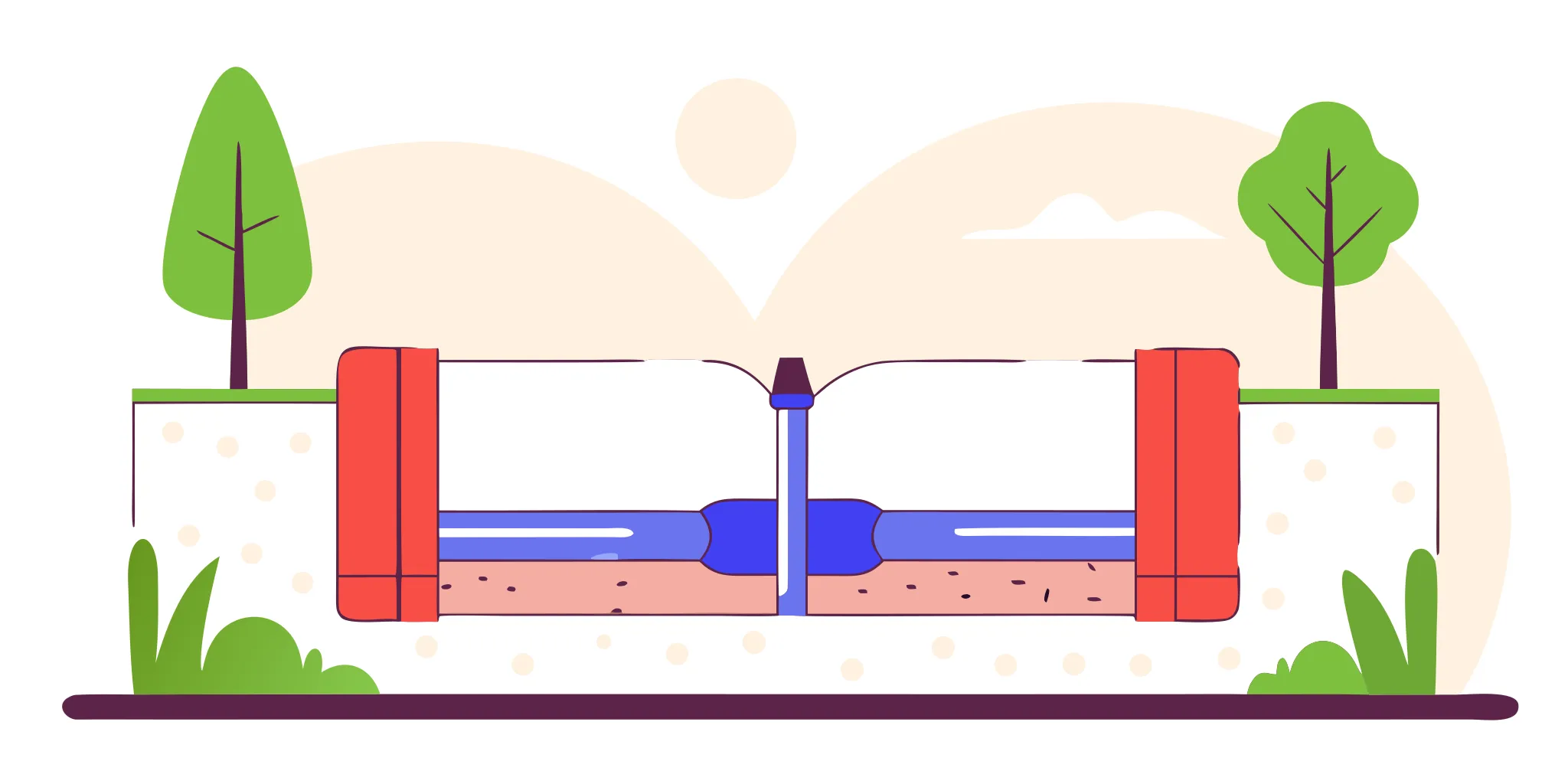
Preventing Structural Damage to Nearby Buildings
Deep excavations near homes carry the risk of undermining building foundations. In sandy soil, the ground shifts easily. When a trench is dug close to a house, pool, or patio, the sand beneath those structures can migrate into the excavation. This movement, called undermining, can cause cracks in walls, uneven floors, or settlement damage that costs tens of thousands of dollars to repair.
Trenchless repair eliminates the risk of undermining. Since we do not dig a long, deep trench, the soil beneath your home remains undisturbed and stable. This safety consideration is a primary reason South Florida property owners prefer no-dig methods for sewer line repair.
* Undermining risk: Excavation near foundations can cause soil migration and structural settlement. * Dewatering expense: Continuous groundwater pumping adds significant project costs. * Shoring requirements: Sandy trench walls need reinforcement to prevent collapse. * Surface restoration: Damaged landscaping, driveways, and walkways require thousands in repairs.
How Trenchless Pipe Lining Preserves Your Property and Landscaping
Trenchless pipe lining preserves your property by eliminating the surface destruction that traditional excavation requires. Lawns, gardens, trees, driveways, and patios remain intact because the repair happens entirely underground through small access points. You avoid the cost, time, and stress of restoring your landscape after the pipe work is done.
The most visible difference between trenchless pipe lining vs traditional excavation is what happens to your yard. Traditional methods carve a destructive trench across your entire landscape. Trenchless methods spare your property while delivering the same permanent repair.
Saving Your Lawn and Garden
A well-maintained lawn takes years of care. Mature trees add significant property value and provide shade and privacy. Traditional excavation can destroy both in hours by cutting through root systems and burying garden beds under excavated soil. Trenchless lining protects your landscaping by working deep beneath it, leaving roots, grass, and ornamental plants completely undisturbed.
The NASSCO Pipe Rehabilitation committee notes that trenchless technologies like CIPP minimize environmental disruption by eliminating the need for large-scale excavation and surface restoration. You keep the landscape you have invested in without spending additional time or money on replanting and reseeding.
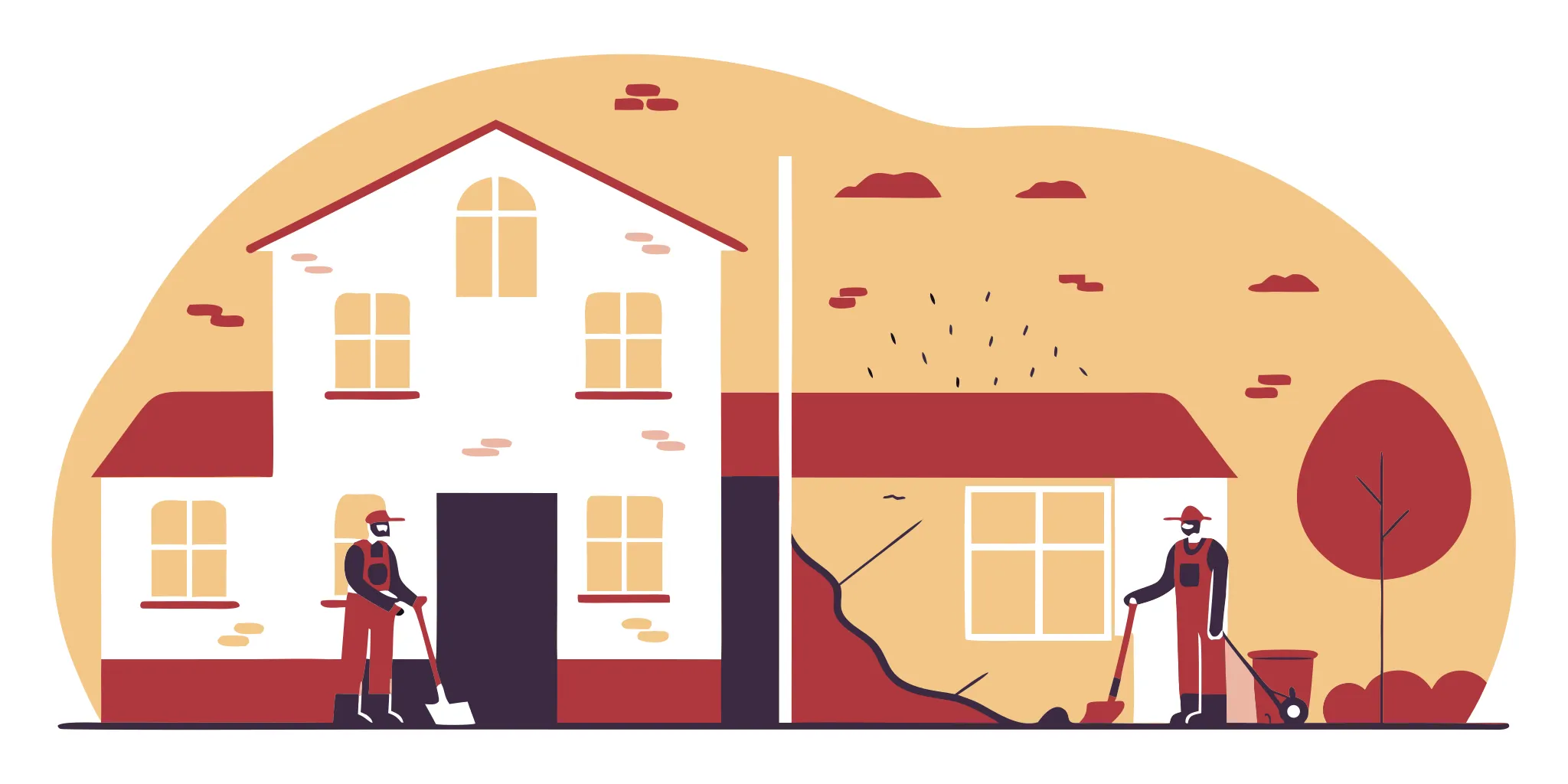
Keeping Hardscaping and Driveways Safe
Many South Florida homes have patios, driveways, walkways, and pool decks that run over or near sewer lines. Traditional excavation requires cutting through and removing these structures to reach the pipe below, then rebuilding them afterward. Poured concrete in particular is difficult to repair without visible seams or color mismatches.
Trenchless lining routes the repair underneath these structures without breaking them. You get all the advantages of trenchless pipe lining without sacrificing your hardscaping investment. Your driveway, patio, and walkways remain exactly as they were before the repair.
Faster Completion with Less Cleanup
Because trenchless methods do not move tons of soil or require heavy equipment across your property, the job finishes faster with dramatically less cleanup. Most residential trenchless repairs complete in one to two days. There are no piles of excavated dirt, no deep holes requiring safety barriers, and no weeks of disrupted access to your driveway or yard.
Environmental Impact: Trenchless vs. Traditional Excavation
Choosing trenchless pipe lining over traditional excavation is one of the most environmentally responsible decisions a Florida homeowner can make when facing pipe repairs. The environmental advantages go well beyond keeping your yard intact. Trenchless methods produce dramatically less construction waste, reduce carbon emissions, protect local ecosystems, and eliminate the need for virgin construction materials. Every time a homeowner opts for no-dig pipe repair, they reduce the environmental footprint of their plumbing maintenance by a significant margin.
75% Less Construction Waste
Traditional dig-and-replace excavation generates enormous volumes of waste material. The old pipe is demolished and removed, the surrounding soil is excavated and often hauled away, and the concrete or asphalt surface above the trench is broken up and discarded. By contrast, CIPP lining reuses the existing pipe as a host structure. The old pipe stays in place while the new liner forms inside it. Industry data shows this approach eliminates up to 75 percent or more of the demolition waste that traditional excavation produces. For a typical residential repair, that means keeping hundreds of pounds of concrete, pipe fragments, and displaced soil out of the landfill.
Lower Carbon Footprint Per Repair
Heavy excavation equipment — backhoes, jackhammers, dump trucks, and compactors — burns significant amounts of diesel fuel over the several days a traditional dig takes. These machines generate exhaust emissions that contribute to local air pollution and greenhouse gas accumulation. Trenchless repair uses compact, low-impact equipment that operates from a single access point. Fewer vehicle trips, less fuel consumption, and shorter project timelines combine to produce a carbon footprint that is substantially lower per repair. For municipalities managing large-scale pipe rehabilitation programs, switching to trenchless methods can reduce fleet emissions by thousands of tons annually.
Protecting Florida's Sensitive Ecosystems
South Florida's unique environment — with its high water table, sandy soils, and proximity to waterways like the Indian River Lagoon, Lake Okeechobee, and the Everglades — is particularly vulnerable to the effects of open-trench excavation. Heavy rain during a dig project can wash sediment, construction debris, and untreated runoff into storm drains and ultimately into fragile aquatic ecosystems. Trenchless methods eliminate this risk entirely. By keeping the excavation contained to small access pits, no-dig repair prevents sediment runoff, protects tree root systems, and avoids disturbing the natural drainage patterns of surrounding soil. This is especially important for properties near canals, lakes, and conservation areas.
Eliminating Virgin Material Waste
Traditional excavation replaces old pipes with entirely new materials — new PVC or cast iron pipe, new fittings, new bedding material. While these materials are functional, their production carries its own environmental cost in raw material extraction, manufacturing energy, and transportation. Trenchless CIPP lining uses the existing pipe as its structural host. The epoxy resin liner adds structural strength without requiring the extraction and processing of entirely new pipe materials. This material efficiency makes trenchless repair a genuine circular-economy solution for underground infrastructure.
Supporting Green Building Standards
For homeowners pursuing green building certifications or sustainable home improvements, choosing trenchless pipe repair aligns with several LEED and Florida Green Building Coalition credit categories. Waste reduction, material efficiency, and ecosystem protection during construction are all recognized criteria. Documenting trenchless repair as part of a home's sustainability profile can contribute to certification goals while delivering a permanent, 50-year pipe solution.
Timeline Comparison: How Fast Is Trenchless vs. Traditional Excavation?
Trenchless pipe lining typically completes in one to two days, including inspection, cleaning, liner installation, and epoxy curing time. Traditional excavation takes one to two weeks or longer, including trenching, pipe replacement, backfilling, compaction testing, and full surface restoration. Trenchless reduces your time without water or sewer service from days to hours.
Time is a critical factor when your sewer line is out of service. The speed difference between trenchless repair and traditional excavation is substantial and affects your daily life, business operations, and overall project cost.
The Traditional Excavation Timeline
Conventional pipe replacement is a multi-phase construction project. Excavating the full pipe trench alone takes one to two days. Removing and replacing the damaged pipe requires another day. Backfilling and compacting the trench adds additional time. Then surface restoration begins, which can take several more days depending on whether sod, concrete, or asphalt is needed. Most excavation projects take a week or more, and larger jobs can stretch to two weeks or longer.
How Fast Trenchless Pipe Lining Works
Trenchless lining moves much faster because the work focuses on the pipe interior rather than the surrounding ground. The installation process follows these steps:
1. Camera inspection and mapping: Our technicians use a sewer camera to assess the damage and confirm the pipe is suitable for lining. This takes one to two hours. 2. Pipe cleaning: Hydro-jetting removes debris, roots, and buildup from the pipe walls. This takes two to four hours depending on pipe condition. 3. Liner installation: The epoxy-saturated liner is inserted through a small access point and inflated against the pipe walls. This takes one to two hours. 4. Curing: The resin hardens to form a rigid structural pipe. Modern cured-in-place pipe systems use steam or hot water curing that completes in two to four hours. 5. Final inspection: A post-installation camera inspection confirms the liner is properly seated and the pipe is fully functional. This takes about one hour.
Most residential trenchless repairs are complete within 24 to 48 hours, with actual working time significantly less. You regain access to your drains and water service much sooner than with traditional methods.
When Does Traditional Excavation Still Make Sense?
Traditional excavation is necessary when a pipe has fully collapsed, preventing liner access; when joints are severely offset or misaligned. When pipes have developed bellies or sags that prevent proper drainage; or when the existing pipe diameter is too damaged to serve as a host for CIPP lining. Pipe Surgeons evaluates each situation to recommend the approach that provides the most durable, permanent repair.
Trenchless pipe lining is the preferred solution for most residential pipe repairs, but it is not appropriate for every situation. Understanding the limitations of no-dig technology helps you make an informed choice. Pipe Surgeons evaluates every pipe to determine the best repair approach, prioritizing permanent results over convenience.
Severe Pipe Collapses
CIPP lining requires a structurally intact host pipe to hold the liner during installation. If a pipe has experienced a full collapse, there is no viable path for the liner to pass through. The collapsed section must be excavated and replaced before any lining can occur. In these cases, excavation is unavoidable because the old pipe cannot serve as a host for the new liner.
Pipe Belly and Sagging Sections
Pipes that have developed a sag, commonly called a belly, have settled below their intended grade. A belly holds standing water and debris even after the pipe is cleaned. Because CIPP lining follows the existing pipe path, it does not correct grade issues. To restore proper slope and flow, the sagging section must be excavated and reset at the correct grade. Engineers familiar with pipe rehabilitation in South Florida note that shifting sandy soils make belly formation more common in this region.
Heavily Offset Joints
When pipe joints shift significantly out of alignment, the gap can prevent the liner from seating properly against the pipe walls. Minor offsets can often be accommodated with careful installation techniques, but major offsets or gaps larger than the liner thickness require excavation to realign the pipe sections. In every case, Pipe Surgeons recommends the approach that delivers the longest-lasting repair for your specific situation.
Frequently Asked Questions
Here are answers to the most common questions homeowners ask about trenchless pipe lining vs traditional excavation in South Florida.
How long does trenchless pipe lining last?
Cured-in-place pipe (CIPP) liners are designed to last 50 years or more when properly installed. The epoxy resin cures to a hard, corrosion-resistant material that resists root intrusion, chemical damage, and ground movement. This lifespan is comparable to or longer than new PVC pipe installed via traditional excavation.
Does trenchless pipe lining work for all pipe sizes?
CIPP lining is available for pipes ranging from four inches in diameter up to large municipal lines exceeding 60 inches. Most residential sewer lines are four to six inches in diameter and are well-suited to trenchless lining. The epoxy-saturated liner is custom-manufactured to match the exact diameter and length of your pipe.
Is trenchless pipe lining covered by homeowners insurance?
Most standard homeowners insurance policies cover sudden and accidental damage to underground pipes, such as a burst line or collapse. The coverage terms vary by policy and provider. Some policies may cover trenchless repair methods while others may only cover traditional excavation costs. You should review your policy or contact your agent to confirm coverage for your specific situation.
Does the epoxy liner have a smell during installation?
The styrene-based resin used in CIPP lining produces a distinct odor during installation, similar to fiberglass or strong adhesives. Our team uses ventilation and containment measures to minimize the smell inside your home. The odor dissipates completely once the resin cures. Some newer resin systems use styrene-free alternatives that produce significantly less odor.
Can I use my drains while the liner is curing?
No, you cannot use the sewer line while the liner is curing. The access to the line is blocked during installation, and any water flow would prevent the liner from curing properly against the pipe walls. Your Pipe Surgeons technician will let you know exactly how long the cure time will be, which typically ranges from two to four hours for steam-cured systems.
Ready to compare your pipe repair options?
Choosing between trenchless pipe lining vs traditional excavation does not have to be a difficult decision. Pipe Surgeons provides free on-site assessments to evaluate your sewer line condition and recommend the best repair approach for your South Florida home. Our licensed technicians use advanced camera inspection technology to identify the exact nature and location of the damage before recommending a solution.
Call Pipe Surgeons at (888) 253-1220 orbook your appointment online to schedule your free inspection today.