
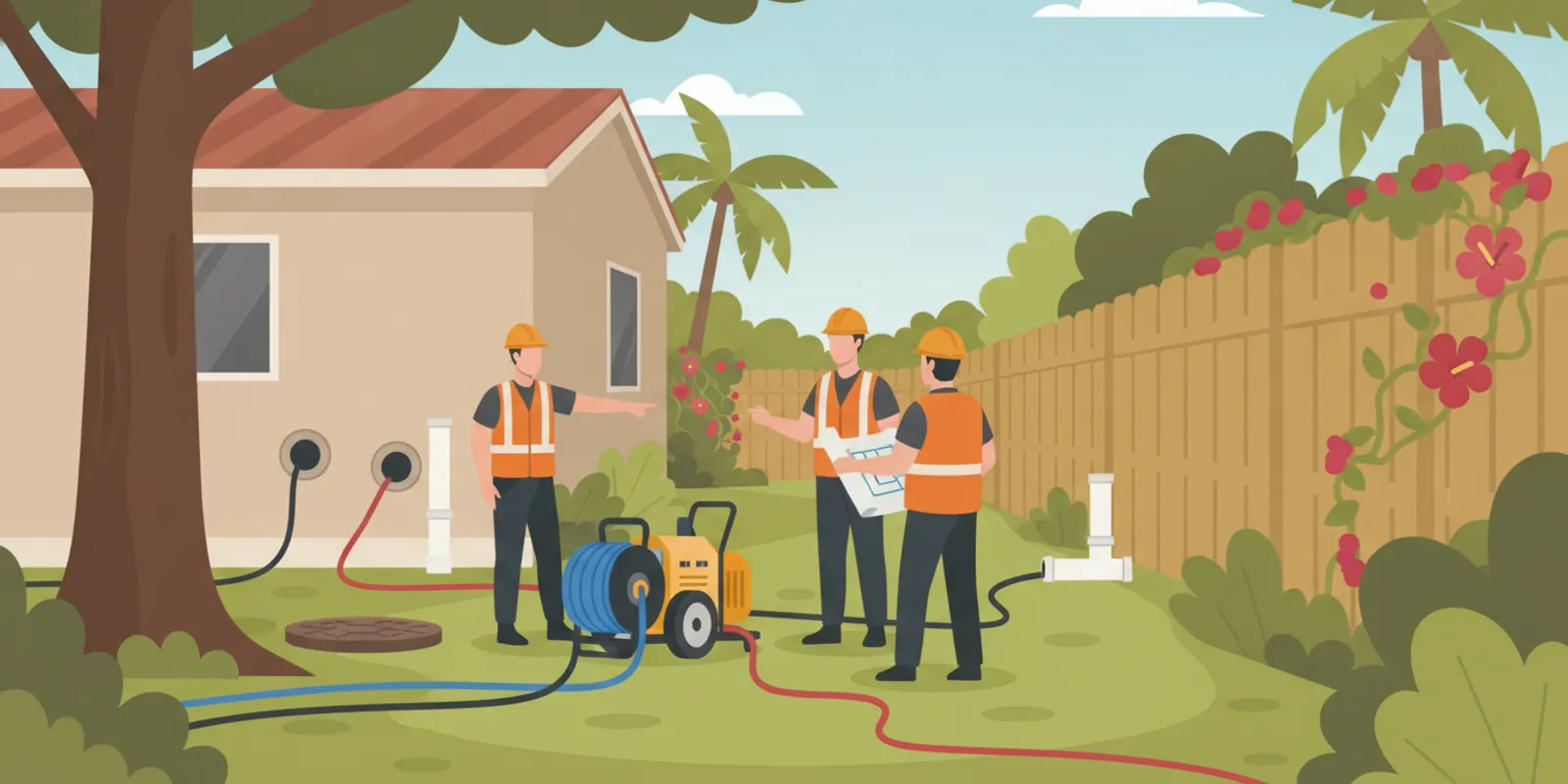
Pipe bursting access requirements on a narrow lot depend on more than the distance between a home and its fence. The pipe route, launch and receiving locations, equipment path, buried utilities, and nearby structures all affect whether the method is practical. A site-specific review can turn those unknowns into a clear plan before work begins.
Request a pipe access assessment
What Are Pipe Bursting Access Requirements for a Narrow Lot?
In short: Pipe bursting needs a workable path to the existing pipe, room to set up the equipment, and suitable locations to access both ends of the project. A narrow property may still be a candidate, but tight clearances, obstructions, and utility conflicts need to be checked first.
Pipe bursting replaces a buried pipe by pulling a bursting tool through the existing line while drawing replacement pipe into its path. The tool fractures or displaces the old pipe into the surrounding ground. The exact setup depends on the pipe, soil, route, selected equipment, and project scope. It is a specialized trenchless repair method, not a universal solution for every damaged line.
For a narrow lot, the key question is not simply, “Can a machine fit?” A contractor must consider the full work sequence: how equipment and materials reach the work area, where access points can be made, how the replacement pipe will be handled, and whether the ground around the route can accommodate the work. A constrained side yard might provide one useful corridor, while a gate, air-conditioning equipment, retaining wall, or overhead obstruction can make that same corridor difficult to use.
The U.S. EPA pipe bursting fact sheet describes pipe bursting as a rehabilitation method for a defined range of pipe sizes. That is useful context, but pipe size alone does not establish access at a particular property. The route and site conditions still need to be evaluated.
Which Parts of the Property Should You Evaluate?
In short: Evaluate the pipe alignment, both end access points, the equipment route, overhead and side clearance, and the ground and structures near the work. Record obstacles before deciding whether a narrow lot rules the method in or out.
Trace the pipe route
Start with the best available information about where the existing pipe runs and where it connects. Do not assume that the straightest route between two visible points matches the buried alignment. Plans, cleanout locations, previous repair records, and a camera inspection may help clarify the route. A sewer and drain camera inspection can help document the pipe's interior condition and layout, although it does not by itself establish every external utility or ground condition.
Note where the line passes near a building, driveway, pool, landscaping, retaining wall, or other feature that should be protected. If the pipe bends, changes size, or connects to other lines, tell the assessor. Those details can affect whether bursting is suitable and how the work might be staged.
Identify possible access points
Pipe bursting projects generally require access to the pipe at the work limits. Depending on the configuration, crews may need a launch pit and a receiving pit, or may use existing access where appropriate. Their size and position are not fixed by a generic rule. Pipe diameter, depth, equipment, soil, and the required connection work all matter.
On a tight property, one access point may fall inside a garage, beneath a paved area, near a foundation, or behind a fence. The assessor should identify feasible locations and explain what would need to be moved, opened, protected, or restored. A location that looks convenient from the surface may not work if it does not align with the actual pipe or gives inadequate working room.
Walk the equipment and material route
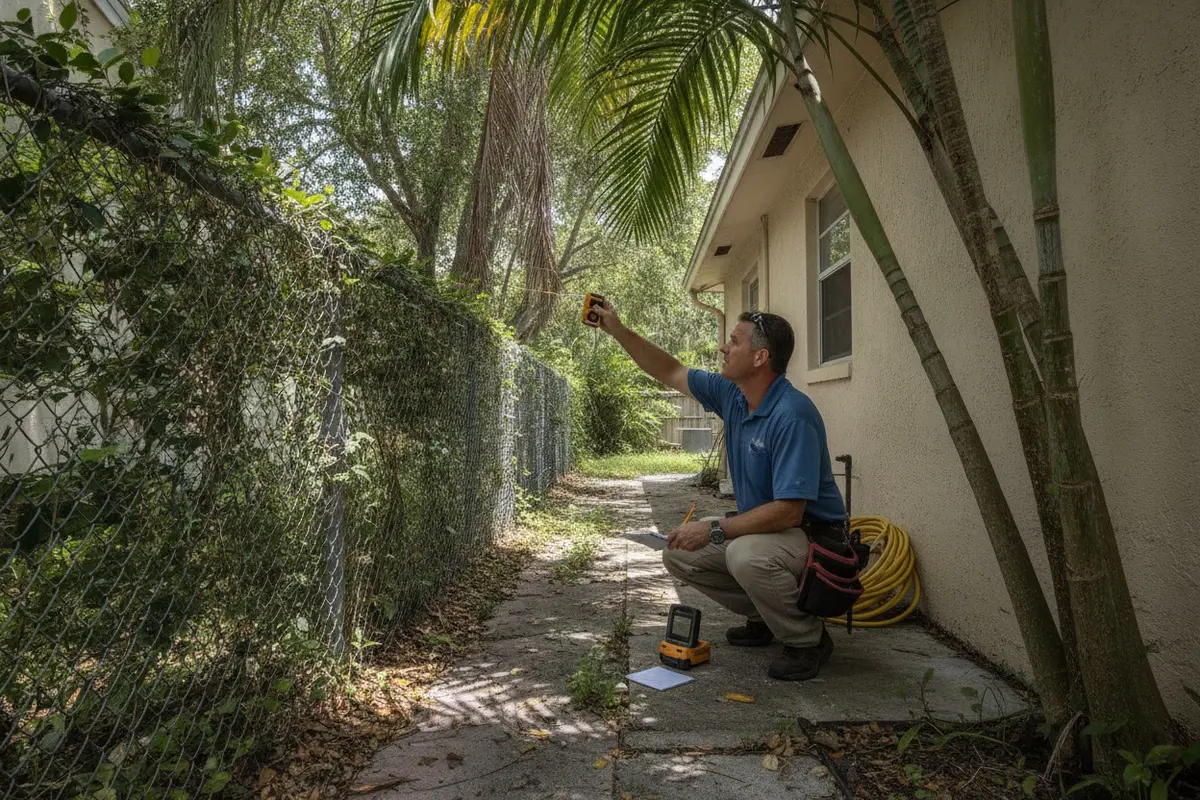
Measure and photograph the route from the street or staging area to the work zone. Include gates, turns, steps, slopes, soft ground, low branches, fences, and narrow passages. Ask whether the equipment can travel the route without crossing fragile paving, landscaping, or other areas you want to protect. Also consider where pipe sections, tools, and spoils can be staged without blocking essential access.
Access is not only about the largest machine. The job may involve multiple pieces of equipment and materials moving at different points in the process. A clear route for one piece of equipment does not prove that all the required items can be brought in, operated, and removed safely.
Look above and below grade
Overhead wires, roof edges, tree limbs, balconies, and other structures can limit equipment movement or setup. Below grade, other utilities may cross or run near the pipe route. Their locations should be investigated through appropriate records and utility locating before excavation or construction. Do not treat a visual estimate as a utility locate.
A pipe mapping service can help organize information about pipe location and connections. Ask what the mapping will document and what it does not cover. A pipe map is one input to planning, not a guarantee that every buried feature has been identified.
How Can You Compare Access Conditions?
In short: Separate confirmed facts from open questions. Compare access point options, equipment movement, obstructions, and restoration implications rather than relying on a simple “narrow” or “wide” label.
Use a written site review to capture what is known, what needs verification, and what decisions depend on the findings. The table below is a planning aid, not a substitute for project-specific measurements or an installation specification.
| Planning item | What to record | Why it matters |
|---|---|---|
| Pipe route | Known endpoints, direction, depth information, changes in alignment, and confidence in each detail | The work must follow the actual pipe and connect to the intended system. |
| Launch and receiving access | Potential locations, surface type, nearby structures, and access limitations | Access pits or other openings need to align with project requirements and be workable at the property. |
| Equipment route | Gate width, turns, slope, overhead clearance, surface condition, and staging space | Equipment and materials need a practical route in and out, not just a place to operate. |
| Utilities and conflicts | Available utility records, locate status, crossings, and conflicts requiring follow-up | Unknown or conflicting utilities can change the plan and require coordination. |
| Nearby features | Foundations, paving, trees, pools, walls, irrigation, and areas to protect | Proximity and ground conditions may influence method selection and protection measures. |
| Alternative method | Other repair approaches considered and the site-specific reason for comparing them | A constrained site should be evaluated for fit, not forced into one method. |
Ask the contractor to distinguish observations from assumptions. For example, “the pipe appears to run beside the driveway based on the available plan” is different from a verified route. Likewise, a gate measurement is useful, but it does not answer whether equipment can make the turn or operate beyond the gate.
Project specifications can also help frame a discussion. The City of Eugene's drainage and sewer specifications describe pipe bursting and slip lining as installation methods for HDPE pipe in gravity sewer pipe. Those specifications are not a design for your property; they illustrate why the work should be planned around the applicable project requirements rather than a generic access number.
What Can Make Pipe Bursting Difficult on a Tight Site?
In short: Restricted entry, limited staging space, uncertain pipe information, nearby utilities, and sensitive surface features can add complexity. Each issue should be described specifically so the repair plan can account for it.
- A restricted entry path: A gate, sharp turn, steps, or narrow passage can affect what equipment can reach the work area. Ask which dimensions were measured and which equipment needs to pass through.
- Limited space at the access points: A small side yard may leave little room to position tools, manage pipe, and keep a safe work zone. A proposed pit location should be reviewed for both alignment and usable workspace.
- Unknown pipe condition or alignment: Missing records or incomplete inspection can leave uncertainty about bends, connections, or the section requiring replacement. A pipeline inspection may help answer defined questions; ask what the inspection can confirm.
- Buried utility crossings: Water, electrical, communications, drainage, and other lines may complicate the route or access points. The team should identify the locating and coordination steps needed before work.
- Nearby structures and surfaces: Foundations, patios, driveways, mature landscaping, and retaining structures may affect where access is possible and what protection or restoration is needed.
- Unclear property or easement boundaries: A pipe or potential work area may cross property lines or an easement. Confirm who controls access and whether approvals or coordination are required before scheduling work.
For a closer look at the service, review Pipe Surgeons' pipe bursting service alongside the broader trenchless pipe repair overview. The method should be selected after the pipe and property have been assessed, not because it is described as trenchless.
What Should You Prepare Before a Site Assessment?
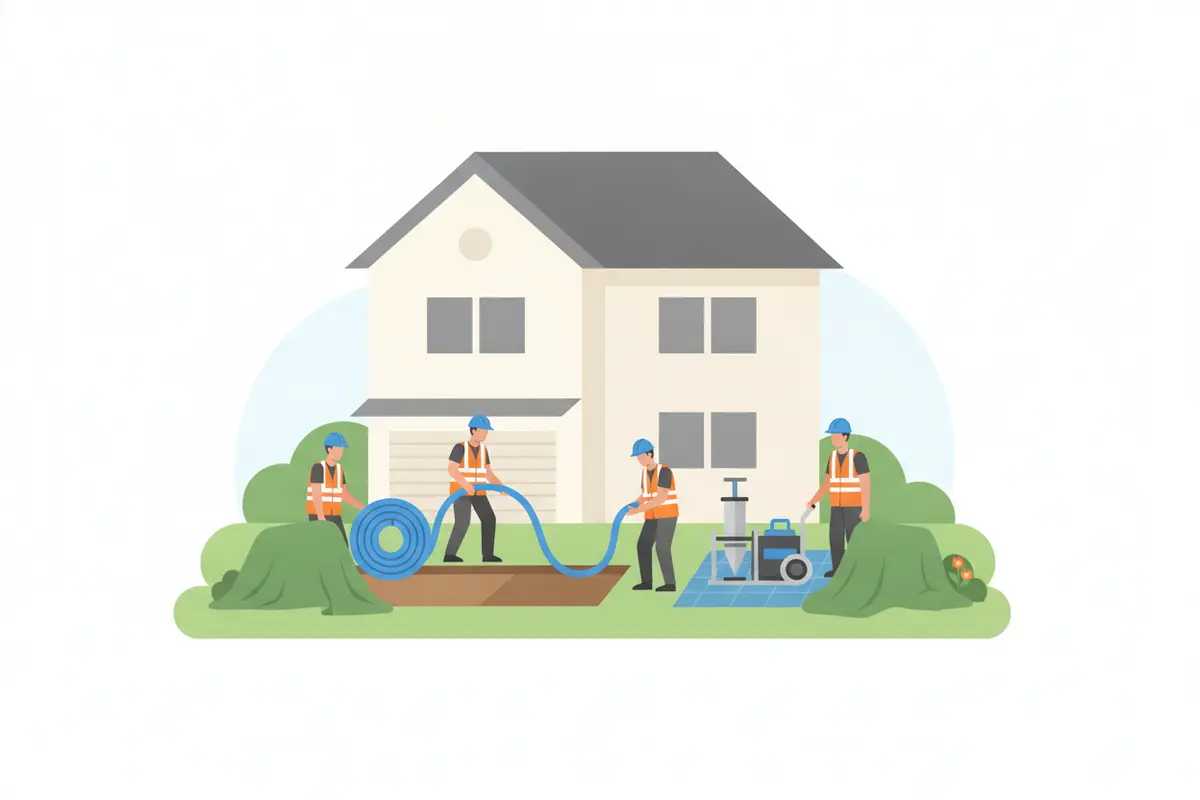
In short: Gather pipe records, document access and obstacles, identify areas that need protection, and make a list of unanswered questions. Organized information helps the specialist assess the actual property instead of working from assumptions.
Pipe Surgeons works with residential, commercial, industrial, and municipal pipe projects. The relevant industries served page can help you identify the right project context. If the pipe serves a business or public system, include service continuity, site access rules, and any required coordination in the assessment conversation.
How Do You Compare Pipe Bursting With Other Repair Options?
In short: Compare methods against the pipe condition, route, access, surrounding property, and repair objective. No method should be assumed best until the specialist explains why it fits the specific findings.
Pipe bursting is one trenchless approach. Pipe lining may be worth discussing when the existing pipe can be rehabilitated in place and the condition and geometry are suitable. Excavation-based replacement may be considered when the pipe route, condition, or connections make another approach a poor fit. The right comparison depends on inspection and site findings; this overview cannot determine which method your property needs.
Ask for a plain-language explanation of the proposed method, the evidence supporting it, the access points required, and the areas that may be disturbed. Request that the contractor explain any assumptions and identify what additional inspection or locating is needed before a firm plan can be made. For more context, see the CIPP pipe lining overview and the company's broader pipe repair and inspection services.
Useful comparison questions include: Does the method address the diagnosed pipe problem? What must be confirmed about alignment, diameter, material, and connections? Where would access be needed? What site features could affect the work? What surface restoration or follow-up inspection is included in the proposed scope? A proposal should make these answers understandable, even when final details depend on pre-work verification.
Talk with Pipe Surgeons about your site
Frequently Asked Questions About Pipe Bursting Access on Narrow Lots
In short: A narrow lot does not automatically rule pipe bursting in or out. The contractor needs to assess the route, equipment path, access points, and site-specific risks.
Is pipe bursting possible if there is only a narrow side yard?
Possibly, but the side yard's width is only one factor. The access route, turning space, pipe location, working area, overhead clearance, and nearby utilities all matter. A site assessment is needed to determine whether the setup is practical and what constraints need to be addressed.
Does pipe bursting always require two pits?
Access requirements depend on the project configuration and equipment. A launch and receiving location are commonly considered, but existing access or other site conditions may affect the plan. Ask the contractor to show the proposed locations and explain why they are needed for your pipe.
Can a camera inspection confirm that the lot is suitable?
A camera inspection can provide useful information about the pipe interior and help investigate its condition or route. It does not establish every external condition, such as the location of all utilities, ground response, equipment access, or property boundaries. Those questions require other records, locating, measurements, or assessment as appropriate.
What if equipment cannot reach the pipe through the gate?
Tell the contractor about the access restriction and provide measurements and photographs. The team can assess whether another route, staging plan, access point, or repair method is feasible. Do not remove a fence, paving, or other feature based on an assumption; first confirm what the project actually requires.
What should a written access plan explain?
It should identify the expected route, work locations, known constraints, information still to be verified, and protection or restoration considerations. It should also state what could change the plan. The level of detail depends on the project, but the reasoning should be clear enough for you to understand the next decision.
Plan the Next Step for Your Property
In short: The useful next step is a site-specific assessment that connects pipe findings with real access conditions. Bring your records, photographs, measurements, and questions so the discussion can focus on the options that fit.
Request a pipe access assessment
With the route and constraints documented, you can have a more informed conversation about pipe bursting and other repair options before deciding how to proceed.