
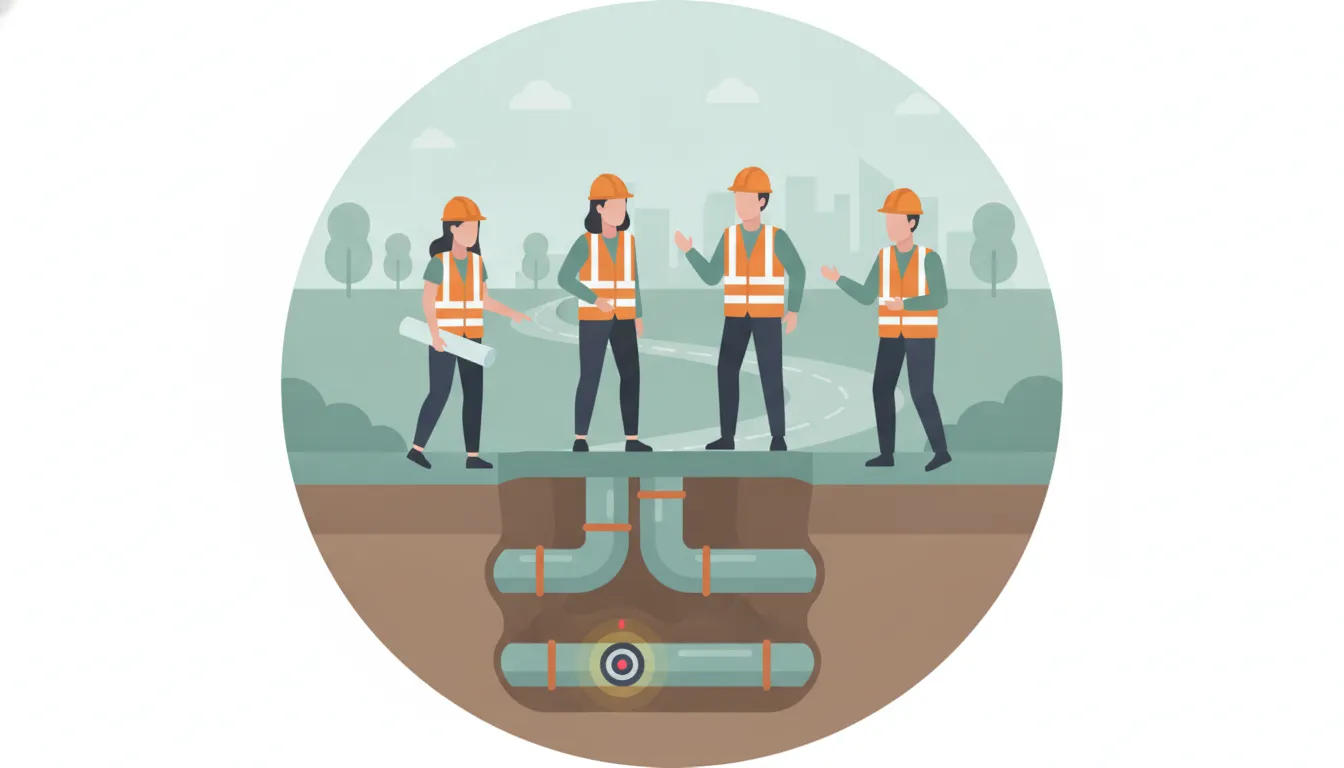
Road construction can expose more than pavement and base material. It can also affect sewer lines, storm drains, water mains, and access points whose condition is not obvious from the surface. Checking those assets before design and construction gives project teams a clearer starting point for coordinating inspection, maintenance, repair, or additional review.
Contact Pipe Surgeons about your municipal pipe assessment
A municipal pipe condition assessment combines camera inspection, location context, and practical documentation. It can identify blockages, root intrusion, corrosion, cracks, leaks, or storm-drain damage before road work progresses. The scope depends on the assets, access, and project questions involved.
The goal is not to assume every problem has the same solution. It is to understand what is underground, document what the inspection reveals, and connect those findings to the next planning decision. That starts with defining which pipes and related structures should be included in the assessment.
What Does a Municipal Pipe Condition Assessment Include?
A municipal pipe condition assessment brings together inspection findings and location context. This helps project teams understand what is below the road before construction begins. The scope depends on the assets, their accessibility, and the project's decisions. It may include camera inspection, leak detection, pipe mapping, and documentation of defects.
Summary: A practical assessment can cover sewer lines, storm drains, potable-water piping, manholes, access points, and asset routes. The goal is to give planners useful condition information before paving, excavation, or utility coordination moves too far forward.
Sewer and storm-drain systems
Sewer inspection focuses on the pipe interior and conditions visible from available access points. A camera may document blockages, root intrusion, corrosion, cracks, leaks, or damaged sections. The report should connect each observation to a recognizable location, such as a manhole, cleanout, intersection, or measured point along the route.
Storm-drain assets deserve separate attention because inlets, channels, laterals, and outfalls can experience different problems. Inspection may identify obstructions, deterioration, cracked channels, or other damage that affects how the system handles runoff. This is especially relevant when a road project changes grades, drainage features, access, or the surrounding surface. Teams can review storm drain condition inspections as part of that planning conversation.
Potable-water lines and access points
Where the project includes potable-water infrastructure, the assessment may examine accessible sections for leaks, offsets, corrosion, or other pipe concerns. The inspection method depends on the line, access, and project requirements. Manholes, vaults, cleanouts, inlets, and other access points also matter. They determine where equipment can enter and how findings can be tied to the route.
Routes, mapping, and usable records
Condition observations are more useful when the team knows which asset was inspected and where it runs. Mapping can clarify corners, turns, crossings, and connections in complicated underground systems. It can also help contractors coordinate roadwork around infrastructure that is poorly documented or whose records need field confirmation. Pipe Surgeons offers pipe mapping to map underground pipes before roadwork.
The final scope should be agreed with the project stakeholders. It should not be assumed to follow one universal protocol. Discuss assets, access, route information, and documentation before work begins. Next-step review helps answer the road project's actual questions. A camera inspection alone cannot determine every condition.
Why Should Cities Assess Pipes Before Road Construction?
Road construction changes access to the ground above buried infrastructure. Before a project moves into active construction. A municipal pipe condition assessment gives public works teams and project partners a clearer view of what may be below the work area. That information can support better coordination between roadway planning, utility records, maintenance staff, and inspection crews.
Existing records may show where a pipe was intended to run. They may not describe current condition or confirm every connection, transition, or access point. Camera inspection can add field information. Pipe Surgeons supports municipal pipe inspection services, including sewer camera inspections, storm drain inspection, pipe mapping, leak detection, and trenchless repair planning.
Improve visibility into underground assets
Buried pipes are not easy to evaluate from the surface. A camera inspection may reveal blockages, root intrusion, corrosion, cracks, leaks, or damaged sections inside a sewer or water line. Storm-drain inspection can identify obstructions, deterioration, and damage that may affect how the system functions during heavy rain. Pipe mapping can also help locate corners, twists, turns, and other features in a complex configuration.
The goal is not to assume that every observed issue requires the same response. Instead, the findings give the project team condition information to review alongside available plans, access limitations, and the planned road work. That shared picture can make conversations more specific before crews are working in the corridor.
Coordinate maintenance and repair decisions
Inspection findings can help separate questions that are often treated as one. A team may need to determine whether a section requires routine maintenance, targeted repair, additional testing, trenchless evaluation, or a separate engineering review. Making that distinction before road construction allows the relevant stakeholders to discuss sequencing and responsibilities with the same documentation in view.
Assessment data does not replace project-specific design or engineering judgment. It gives decision-makers a practical basis for identifying what needs further review and which underground assets deserve attention as the road project develops. For municipalities planning work in Florida, Pipe Surgeons provides diagnostic and repair support for municipal systems, including storm drains and water mains.
Summary: Assessing pipes before road construction helps cities connect underground condition information with roadway planning, coordinate the right stakeholders, and review maintenance or repair options before work begins.
Discuss a camera inspection plan with Pipe Surgeons
How Is a Municipal Pipe Condition Assessment Performed?

A useful assessment follows a repeatable field sequence, but the exact scope should be agreed with the municipality, project team, and inspection provider. The goal is to connect what crews observe underground with reliable locations and documentation that planners can use before road work changes access.
Process summary: Confirm the route and access, clean only as needed, inspect with the appropriate camera. Document each finding against a location, map the evidence, and review practical next steps with the project team.
What Problems Can Camera Inspection Reveal?
A camera inspection gives project teams a view inside a pipe or drain without relying only on surface symptoms or incomplete records. Depending on the asset and access available, the inspection may show where a problem is located. What type of condition is present, and whether additional testing or review is appropriate. That information can make a camera-based pipeline condition assessment more useful during road-project planning.
Blockages and root intrusion
Debris, sediment, grease, collapsed material, or other obstructions can restrict flow and help explain backups or drainage problems. In sewer and storm-drain lines, roots may enter through joints or damaged areas and grow into the flow path. The camera can document the location and extent of the obstruction so the next step is based on observed conditions rather than a general assumption that the entire line needs replacement.
Corrosion, cracks, and leaks
Corrosion can reduce the condition of metal or other pipe components over time. Cracks may appear along the pipe wall, at joints, or near connections. A camera may also show evidence consistent with leakage, such as a visible opening, water entering the line, or a damaged connection. The image record helps distinguish what can be seen directly from what may require a separate leak-detection method or engineering evaluation.
Offsets and alignment concerns
An offset occurs when connected pipe sections no longer line up correctly. It may be associated with settlement, movement, or a deteriorated joint. Camera footage can help identify the affected location and show whether the issue is isolated or part of a broader condition. Pipe mapping can add useful route context where older plans do not clearly show corners, turns, or connections.
Storm-drain deterioration and damage
Storm-drain inspections may reveal overgrown roots, cracked channels, obstructions, and other deterioration or damage. These conditions can affect how runoff moves during downpours, tropical storms, or thunderstorms. The inspection does not automatically determine the final repair method. It provides visual evidence that project stakeholders can review alongside access, surface conditions, records, and the planned road work.
Summary: Camera inspection may reveal blockages, root intrusion, corrosion, cracks, leaks, offsets, and storm-drain damage. Each finding should be interpreted in context, then matched with the appropriate maintenance, repair, testing, or further technical review.
How Do Assessment Findings Shape Repair Planning?
Assessment findings are most useful when they lead to a clear conversation about the asset, the road project, and the next level of review. A camera record does not automatically determine whether a city should clean, repair, replace, or redesign a pipe. It gives the project team evidence to organize those questions.
| Assessment question | What it helps clarify | Possible next discussion |
|---|---|---|
| Where is the asset and what can be accessed? | Route, entry points, and inspection limits | Mapping, access coordination, or additional field review |
| What conditions are visible? | Blockages, roots, corrosion, cracks, leaks, or damage | Maintenance, targeted repair review, or further diagnostics |
| How does the finding relate to the road project? | Timing, surface references, and stakeholder responsibilities | Coordination with the roadway designer and utility team |
Routine maintenance is often the appropriate starting point when inspection shows an obstruction, accumulated debris, or root intrusion without a documented need for structural replacement. Cleaning or clearing the affected segment can be planned alongside access and traffic-control considerations. The record should identify the asset and location. That makes later confirmation easier.
Targeted repair is a different decision. Cracks, leaks, corrosion, damaged sections, or separated connections may indicate that a specific portion of the system needs closer attention. Instead of treating the entire network as one problem, project planners can use the inspection documentation to define which segment. Manhole, storm-drain structure, or connection should be evaluated for repair. The final repair approach should reflect field conditions and any requirements established by the responsible project professionals.
Where excavation could affect pavement, traffic, landscaping, or other utilities, the team may also evaluate trenchless pipe repair options. Trenchless work can reduce surface disruption in appropriate situations, but it is not a universal substitute for excavation. Feasibility depends on factors such as pipe condition, access, alignment, dimensions, and the repair objective. Assessment findings help determine whether that option deserves further review rather than guaranteeing a particular method.
Some findings need more than a repair recommendation. Unclear asset ownership, unusual configurations, significant structural concerns, or conflicts with the planned road design may call for additional surveying, testing, utility coordination, or engineering analysis. Keeping these decisions separate from the inspection itself helps municipal teams use the report responsibly. Pipe Surgeons supports municipal systems with camera inspections, storm-drain services, pipe mapping, leak detection. And repair options, while project stakeholders determine the approvals and engineering decisions that apply to their work.
Assessment findings can help teams:
- Schedule routine maintenance for documented obstructions or buildup.
- Define a targeted repair area instead of assuming the entire system needs replacement.
- Identify locations where trenchless feasibility should be evaluated.
- Flag conditions that require added testing, coordination, or engineering review.
What Should Municipal Teams Request in the Final Report?
A useful final report should help the people who were not inside the pipe inspection vehicle understand what was inspected. Where it was found, and what decisions may come next. The exact format should be agreed on by the municipality, project designer, contractor, and inspection provider before field work begins. The items below are practical examples, not a universal legal checklist or a claim that one reporting standard applies to every project.
Identify each asset and its location
Ask for an asset identifier that matches the municipality's records or GIS. Along with the upstream and downstream access points, street or project limits, inspection direction, and approximate distance inspected. If the route is difficult to follow from existing records, a separate mapping deliverable may help map underground pipes before roadwork. Clear location data makes it easier to connect a video finding to a plan sheet, maintenance record, or future repair discussion.
Include usable media and inspection notes
Confirm whether the final package will include the inspection video, still images, field logs, and a written observation summary. The team should agree on the required file format, naming convention, resolution, and how media will be transferred or stored. For example, one public-works CCTV specification calls for high-resolution video and asset fields that connect the inspection record to GIS or asset-management identifiers. Those details may be useful procurement questions, but they should not be copied as universal requirements without checking the municipality's own system and project specifications.
Connect observations to the project context
Request notes that identify visible conditions such as roots, blockages, corrosion, cracks, leaks, offsets, or storm-drain damage, with the observed location and relevant media reference. Ask the provider to document access limitations, cleaning performed, sections that could not be reached, visibility problems, and any assumptions that affect interpretation. A report should distinguish what was directly observed from what may require another diagnostic method or engineering review.
Finally, include recommended next questions rather than an unexplained score. Should the asset receive routine maintenance, targeted repair review, additional testing, or coordination with the road-project designer? The answer depends on the asset, condition, access, and project requirements.
Summary: Before approving the report format, agree on asset IDs and locations, video and media delivery, observations tied to route context, access limitations, and clearly stated next questions. Treat outside specifications as examples to evaluate, not automatic requirements.
When Should a Municipality Schedule an Assessment?
The best time to schedule a municipal pipe condition assessment is early enough for the findings to inform road-project design, utility coordination, and construction planning. Discuss the work area and underground conflicts while the team reviews existing records. Do not wait until paving or excavation is underway.
During preliminary design, an inspection can help the team understand which sewer, storm-drain, or water assets fall within or near the proposed limits of work. If the available records are incomplete, a camera inspection and location work can provide useful field information for comparing mapped routes with actual access points and pipe conditions. Pipe mapping is related to, but different from, condition assessment. The first helps locate the asset; the second helps document its condition. See how to map underground pipes before roadwork.
Schedule coordination also matters. Municipal staff may need access to manholes, easements, inlets, cleanouts, or other points along the route. Traffic control, right-of-way restrictions, active utilities, and nearby construction can affect the inspection. Confirming requirements early gives the team time to decide who should be present. It also clarifies what information the field crew will need.
Weather and site conditions should be part of the conversation, especially for storm-drain work. Heavy rain, tropical storms, flooding, or saturated ground can affect access and visibility. Plan the assessment around conditions that allow the assets to be reached and documented safely. The appropriate timing depends on the site and project scope.
Before preconstruction decisions are finalized, review the findings with the people responsible for design, utilities, maintenance, and construction. The information may support routine cleaning, a targeted repair, further investigation, or a repair-planning discussion. It does not guarantee that a project will avoid delays or require a particular solution.
Assessment timing summary:
- Start discussions during preliminary road-project design.
- Coordinate access and utility information before field work.
- Account for weather, drainage, and safe site conditions.
- Use documented findings to inform preconstruction decisions.
Frequently Asked Questions
Which underground assets should be assessed before a road project?
The scope may include sewer lines, storm drains, potable water lines, manholes, access points, and the routes connecting them. The right starting point depends on the planned roadway work, available records, and which assets could be affected by excavation or construction access.
What problems can a camera inspection identify?
A camera inspection can reveal blockages, root intrusion, corrosion, cracks, leaks, offsets, and other visible defects. For storm drains, it can also help identify obstructions, deterioration, and damaged sections. Findings should be documented by location so the project team can decide what requires maintenance, repair, or additional review.
When should a municipality schedule the assessment?
Schedule it early enough to inform design, utility coordination, access planning, and preconstruction decisions. The exact timing depends on the project schedule, asset access, cleaning needs, and site conditions. Coordinating the inspection before final work plans are set gives stakeholders time to review the findings.
What should the final assessment documentation include?
Agree with the project stakeholders on the information they need before the inspection begins. Useful documentation may include the inspected asset and route, recorded defects, location details, images or video, access limitations, and recommended next steps. The report should distinguish observed conditions from decisions requiring engineering review.
Ready to Review Your Pipe Assessment Needs?
A clear condition assessment can help municipal teams organize inspection findings before road-project decisions are finalized. Pipe Surgeons can review your project context and discuss practical inspection needs for sewer, storm-drain, or other underground pipe assets.
Contact Pipe Surgeons to review your municipal pipe inspection needs.